
In a world where our homes are becoming as smart as our phones, a crucial question emerges for homeowners: Does smart technology add value to a home? With nearly 70 million U.S. households now using smart devices and a global smart home market valued at over $127 billion in 2024, understanding the real impact on property valuation has never been more important.
The answer isn’t as simple as yes or no. While smart home automation can potentially boost your property resale value by up to 5%, not all smart upgrades are created equal when it comes to return on investment (ROI). Let’s explore which smart features truly matter to buyers and whether the investment makes financial sense for your property.
What qualifies as a smart home?
Before determining if smart technology adds value, we need to understand what constitutes a “smart home” in today’s real estate market trends.
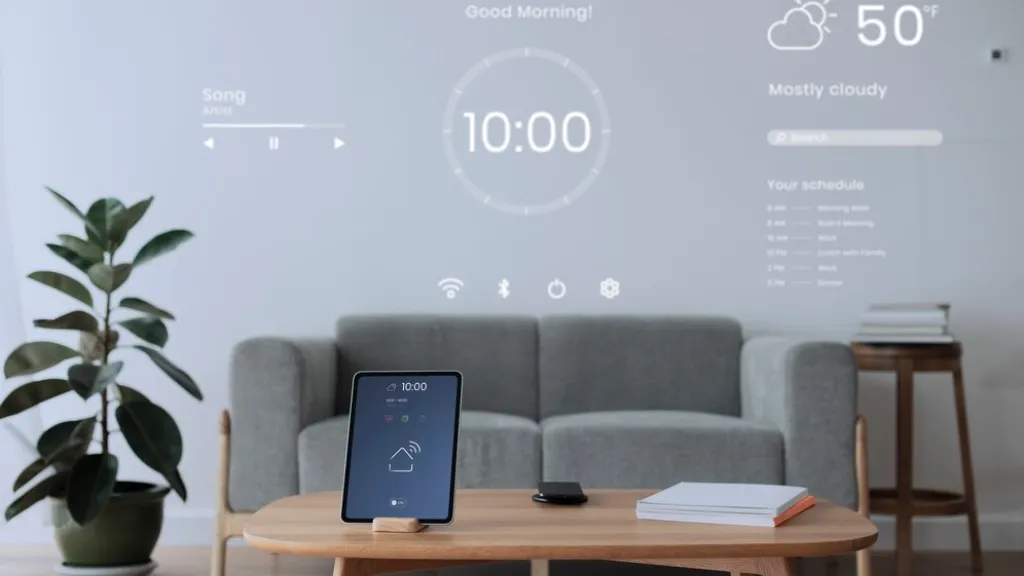
A true smart home automation isn’t just a house with a few tech gadgets. According to industry standards established by CNET and Coldwell Banker, a smart home must have network-connected products that control, automate, or optimize home functions like home security systems.
These systems must be controllable remotely via smartphone, tablet, or computer, and include connectivity via WiFi, Bluetooth, or similar protocols.
Key requirements
To officially qualify as a smart home, a property typically needs:
- A smart security system or a smart temperature control system
- At least two additional smart features from categories like lighting, entertainment, safety, or outdoor systems
- Integration capabilities between multiple devices
- Remote access functionality
Key smart home features that add value
Not all smart technology contributes equally to a home value increase. Certain features consistently rank higher in buyer preferences and perceived worth.
Smart security systems and video doorbells
Security consistently tops the list of smart home features that buyers value most. Integrated security systems with door/window sensors, motion detectors, and professional monitoring capabilities offer both peace of mind and tangible value.
Video doorbells have become particularly popular, allowing homeowners to see and speak with visitors remotely while recording activity at their front door; a feature especially appealing in luxury markets like Los Cabos, where property security remains a priority for international buyers.
Smart thermostats and energy efficiency technology
Energy-efficient homes remain a major selling point, making smart thermostats an excellent investment.
These devices can reduce heating and cooling costs by up to 30% by automatically adjusting temperatures based on schedules, presence detection, and even weather forecasts.
The combination of immediate cost savings and environmental benefits makes them particularly attractive to energy-conscious buyers.
Smart energy management systems that monitor and control electricity usage throughout the home represent the next evolution in this category, offering even greater potential for both cost savings and value addition.
Smart lighting and automation
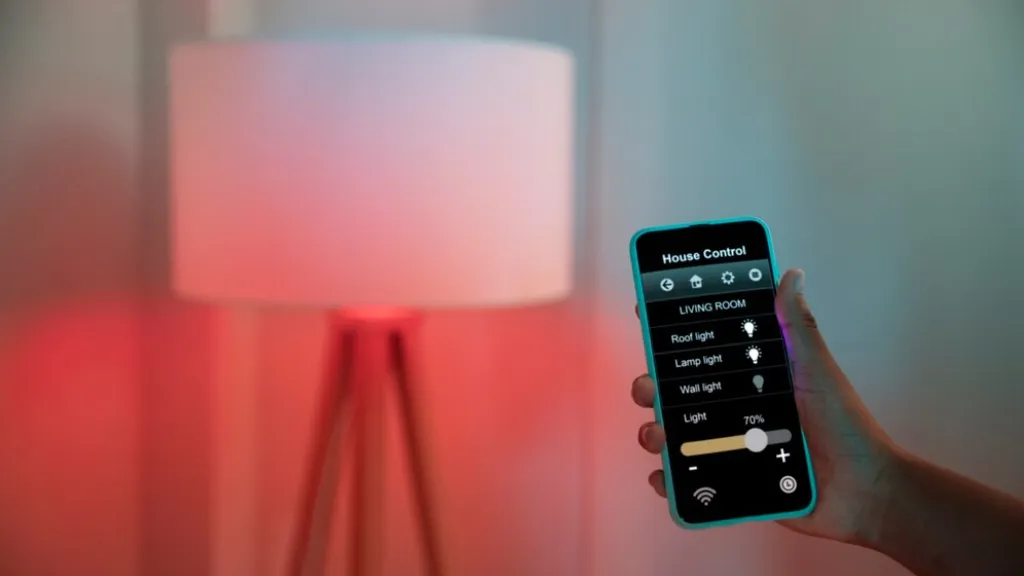
Smart lighting delivers both practical benefits and aesthetic appeal that resonates with buyers. These systems can reduce lighting energy usage by up to 60% through automated schedules, dimming capabilities, and occupancy sensors.
Beyond energy savings, the convenience of controlling lighting through voice commands or smartphone apps adds a luxury element that buyers increasingly expect in premium properties.
For those interested in luxury listings, our luxury listings HP: open home report showcases properties with advanced lighting systems.
Programmable scenes for different occasions (dinner parties, movie nights, etc.) further enhance the perceived value of these systems, especially in higher-end homes where ambiance matters.
Smart appliances
The kitchen remains the heart of the home, making smart appliances a focal point for tech-savvy buyers. According to industry research, smart appliances can provide up to 11% higher ROI than their standard counterparts.
Refrigerators with touchscreens, cameras, and food management capabilities; ovens that can be preheated remotely; and dishwashers that automatically order detergent represent the new standard in luxury homes.
For sellers in competitive markets, these features help properties stand out while justifying premium asking prices. If you’re considering selling, our deciding to sell guide can help you navigate the process.
Smart locks and access control
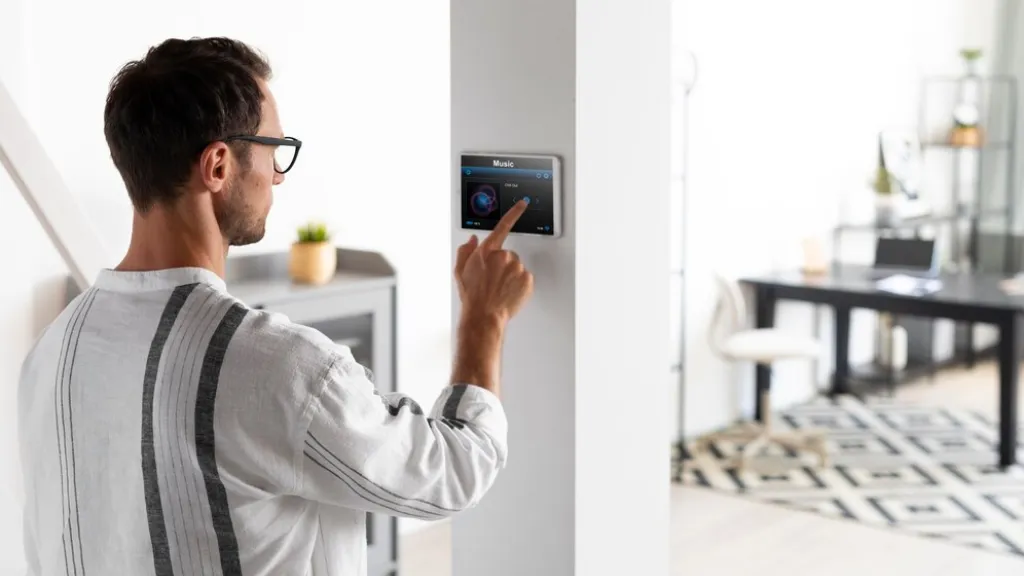
Keyless entry systems offer both convenience and enhanced security that buyers increasingly value.
Smart locks allow homeowners to grant temporary access to service providers, monitor who enters and exits, and eliminate the security risks of lost or copied keys. For property owners who rent their homes, these systems simplify guest management and changeover procedures.
At Ronival Real Estate, we’ve observed growing demand for smart access systems among buyers of luxury properties in Los Cabos, particularly those purchasing second homes or investment properties that will be periodically rented.
How much value does smart technology add?
The financial impact of smart home technology on property values continues to evolve as these features become more mainstream.
Research from Consumer Reports suggests that homes with smart technology can sell for 3-5% more than comparable properties without these features. That translates to a significant premium, potentially tens of thousands of dollars on higher-value homes.
Beyond the sale price
Smart technology can influence more than just the final sale price:
- Homes with smart features typically sell faster (smart lighting can help homes sell 7.3 days faster)
- Buyers perceive smart homes as better maintained and more modern
- Younger buyers (Millennials and Gen Z) often consider smart features a necessity rather than a luxury
- Insurance companies may offer discounts for homes with smart security and water leak detection
Factors affecting value increase
Several variables influence how much value smart technology adds:
- Quality and brand reputation of installed systems
- Integration between different smart features
- Age and up-to-date-ability of the technology
- Local market conditions and buyer demographics
- Whether devices are built-in or portable
Considerations when installing smart home technology
Strategic implementation is crucial to maximize both functionality and return on investment.
Integration and compatibility
Systems that don’t communicate with each other create frustration rather than convenience. Before investing, consider which ecosystem (Apple HomeKit, Google Home, Amazon Alexa) best suits your needs and prioritize devices that work within that framework.
For maximum appeal to future buyers, focus on systems with broad compatibility across multiple platforms, rather than those locked into proprietary ecosystems.
Futureproofing your investment
Technology evolves rapidly, making obsolescence a genuine concern for smart home investments.
Choose established brands with strong track records of software updates and ongoing support. Wired systems (for lighting, speakers, etc.) typically offer better longevity than wireless-only solutions, though they require more extensive installation.
Consider modular systems that allow component upgrades without replacing the entire infrastructure – this approach offers both immediate benefits and easier updates as technology advances.
Installation and transfer considerations
Built-in systems like smart thermostats, lighting controls, and security cameras typically come with the property. However, portable devices like smart speakers might not be included unless specifically negotiated.
Before transferring ownership, ensure all devices are:
- Reset to factory settings
- Disconnected from your accounts
- Documented with user manuals and setup instructions
Smart home technology for different market segments
Generational differences
- Millennials and Gen Z, typically place the highest premium on smart home technology, with studies showing they’re willing to pay up to 20% more for homes with these features. They prioritize seamless connectivity, energy efficiency, and integration with mobile devices.
- Gen X buyers, tend to focus on practical applications like security and energy savings rather than novelty features. They value reliability and ease of use over cutting-edge technology.
- Baby Boomers generally place less emphasis on smart features but increasingly appreciate systems that enhance safety, security, and aging-in-place capabilities.
Regional variations
In luxury markets like Los Cabos, where Ronival Real Estate specializes, sophisticated security systems, climate control, and remote management capabilities are particularly valued by international buyers who may visit their properties only periodically.
In urban markets, space-saving smart solutions and security features typically command the highest premiums, while rural properties benefit most from systems that enhance self-sufficiency and remote monitoring.
Is smart technology worth the investment?
The financial equation of smart home technology involves balancing immediate costs against long-term benefits.
Basic smart home packages (thermostat, security system, lighting) typically cost $2,000-$6,000 installed, with more comprehensive systems ranging from $10,000-$30,000 or more. Against a potential 3-5% value increase, these investments can make financial sense for many homeowners.
However, the calculation isn’t purely financial. The convenience, security, and energy savings provide ongoing benefits while you live in the home, advantages that may justify the investment regardless of resale considerations.
Strategic approach
For homeowners considering smart upgrades, we recommend a phased approach:
- Start with high-impact features that offer immediate benefits (security, thermostat)
- Focus on professionally installed systems that integrate with the home’s infrastructure
- Choose established brands with strong support and compatibility
- Document all systems carefully for future owners
Making smart choices for your home
Smart home technology adds value, both in terms of property worth and quality of life. The global smart home market is booming: valued at $149.43 billion in 2025, the industry is projected to reach $633.2 billion by 2032, driven by advancements in security, connectivity, and affordability.
The key to maximizing return on investment lies in strategic implementation focused on quality, integration, and alignment with buyer preferences in your specific market.
For homeowners in premium markets like Los Cabos, Ronival Real Estate provides expert guidance on which smart home technologies will most enhance both lifestyle and resale value. Their comprehensive property management services can help maintain and monitor these systems, particularly valuable for second-home owners.